

Insect-Repelling Plants
Picture a warm summer evening, the sun is setting and a gentle breeze is hitting your skin as you relax outdoors. Sounds perfect, doesn’t it? Until those pesky insects come buzzing around, interrupting your peaceful moment.

Picture a warm summer evening, the sun is setting and a gentle breeze is hitting your skin as you relax outdoors. Sounds perfect, doesn’t it? Until those pesky insects come buzzing around, interrupting your peaceful moment.

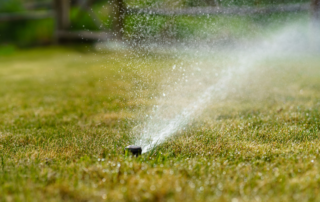
According to the City of Fort Collins, lawn watering accounts for nearly half of the water used annually by most homes, and up to 70% of water demand on a summer day. Lawns typically get more water than needed, and too much water can be just as damaging as not enough. Aside from monitoring overall water usage, there are ways to increase your yard’s water retention. These tips from our experts can cut down your water bill, keep plants from being overwatered and help conserve your city’s municipal water supply.

Dogs need plenty of space to run and play so having a dog-friendly yard is often a requirement for Colorado homeowners. From adding proper fencing to choosing proper hardscaping, our experts have a few guidelines for ensuring your pup has a safe space to get their zoomies out!

Colorado State University estimates that in the typical Colorado household, outdoor water use accounts for about 50% of overall consumption, making urban lawn watering the single largest water demand on municipal supplies.
By following a few of the simple steps below, you can have a healthy, water-smart landscape that’s both beautiful and easy to maintain, while cutting down on your water bill.

Fertilizing plants is crucial to maintaining your landscaping. There are many, many fertilizers to choose from, but what does the soil really need? In a nutshell, fertilizer should supply nutrients to the soil without adding anything extra that the soil doesn’t need. In Colorado, our soil often needs nitrogen, and only occasionally will our soil need extra iron. For instance, if the grass turns yellow after a nitrogen fertilizer is applied, then an additional fertilizer that contains iron should be used.